

Best Credit Cards for Travel: Knowing what the best credit cards to get for travel can do can change how much those trips really cost. Few travel cards will help you recover the price of their annual fee many times over, provided it is enough to justify 5-6 journeys a year, complimentary airport lounge access, air miles, forex markup waivers, and milestone-based free flights. This guide deconstructs how these travel cards work and identifies essential factors to compare them before you apply, as well as highlights the best credit card options in India for various types of travellers.
Why a Travel Credit Card Matters More Than Ever
The number of Indian travellers (both domestic and international) has increase ample over the last couple of years, in turn prompting banks to come up with more specialised travel products. In 2026, travelling is no longer about just booking your flight and hotel; it’s how you pay for them, as the right travel credit card could get you into a free lounge, earn with flights and hotels redeemed as well as milestone benefits and huge savings on travel expenses.
A regular credit card provides random cashback or reward points. In contrast, the best travel credit cards are made for it: they earn bonus points on airfare and hotel bookings, do not charge international currency exchange fees, offer free lounge access if one does happen to pay for a ticket, and typically include travel insurance. They are specifically designed to maximise benefits on flights, accommodations and travel with premium rewards like air miles / frequent flyer points, priority services (like precedence at airport lounges) and even insurance – facilities which credit cards in general don’t offer.
Lounge access alone can justify the annual fee if you fly two or three times a year, even domestically! Travel cards are a simple financial win: if you travel internationally frequently, the low level of forex markup with air miles and insurance coverage makes them an easy choice.
How to Evaluate the Best Credit Cards for Travel
But it’s good to know what exactly makes for an average card versus one of the best travel credit cards.
| Criteria | Why It Matters |
| Reward Rate on Travel Spends | Determines how fast you accumulate points on flights, hotels, and travel portals |
| Lounge Access | Complimentary domestic/international lounge visits save money and reduce travel stress |
| Forex Markup Fee | Lower markup (0–2%) means real savings on every international transaction |
| Points Redemption Value | How much each point is worth when converted to air miles or hotel points |
| Annual & Joining Fees | Should be justified by the benefits you’ll actually use |
| Milestone Benefits | Free flights, hotel vouchers, or bonus points on hitting spend thresholds |
| Travel Insurance | Covers trip cancellation, lost baggage, and medical emergencies abroad |
| Airline/Hotel Transfer Partners | Flexibility to convert points into miles across multiple airlines |
As travel credit card perks often change, welcome bonuses, lounge access rules, airline and hotel transfer ratios, and partner offers are all frequently refreshed at short notice, it pays to check the issuer’s latest terms before applying, even if a card ranked in last year’s top travel credit cards.
Read Also: Delhi Junction Nearest Metro
Top Picks: Best Credit Cards for Travel in India (2026)
Take a look at card profiles (the best travel credit cards across all tiers and traveller types) you can feel confident in your choice.
1. HDFC Infinia Credit Card

Considered one of the best travel credit cards in the super-premium category. Cardholders receive complimentary access to the Priority Pass programme, which includes domestic and international lounge access at over 1,000 lounges around the world – they can bring a guest free of charge as well. One of the top-earning credit cards for Australia is a no-brainer because the rewards programme earns 3.33% on every spend with no category restrictions, and points can be redeemed for flights (more than 250 airlines), hotel stays, or transferred to an airline frequent flyer programme. It comes with travel insurance of ₹3 crore for complications that include a medical emergency, trip cancellations, and the loss of baggage.
2. Axis Bank Atlas Credit Card
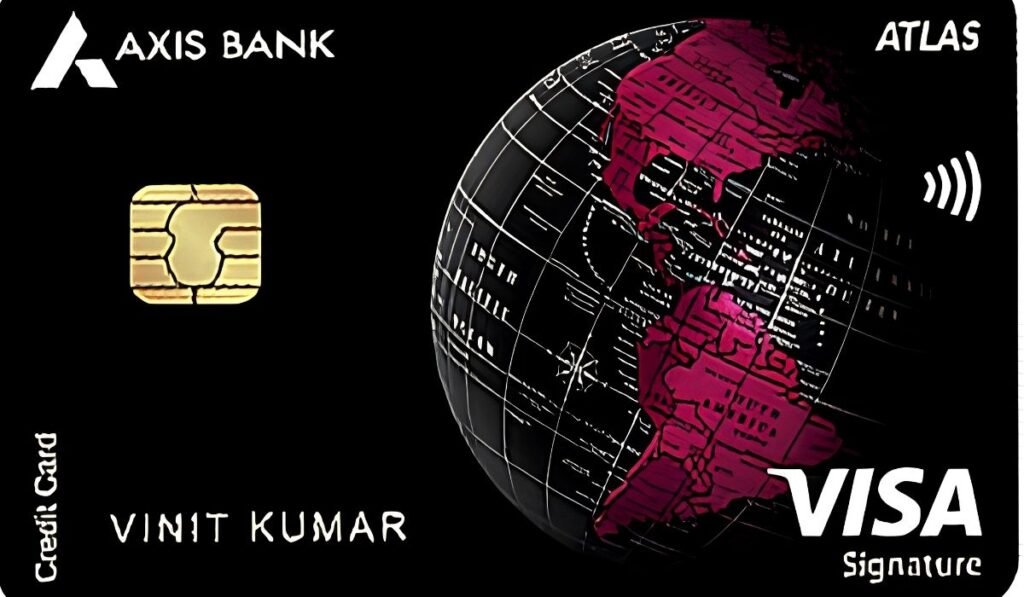
With flexible redemption, this is the best bet for frequent flyers and hotel bookers. It is a card that allows you to earn travel points on every purchase, and even more for airline and hotel purchases, travelling further with air miles or the hotel loyalty programme. This card also boasts free lounge visits and milestone-based rewards, ensuring it appears among the best travel credit cards for mid-to-high spenders every year.
3. Axis Bank Horizon Credit Card
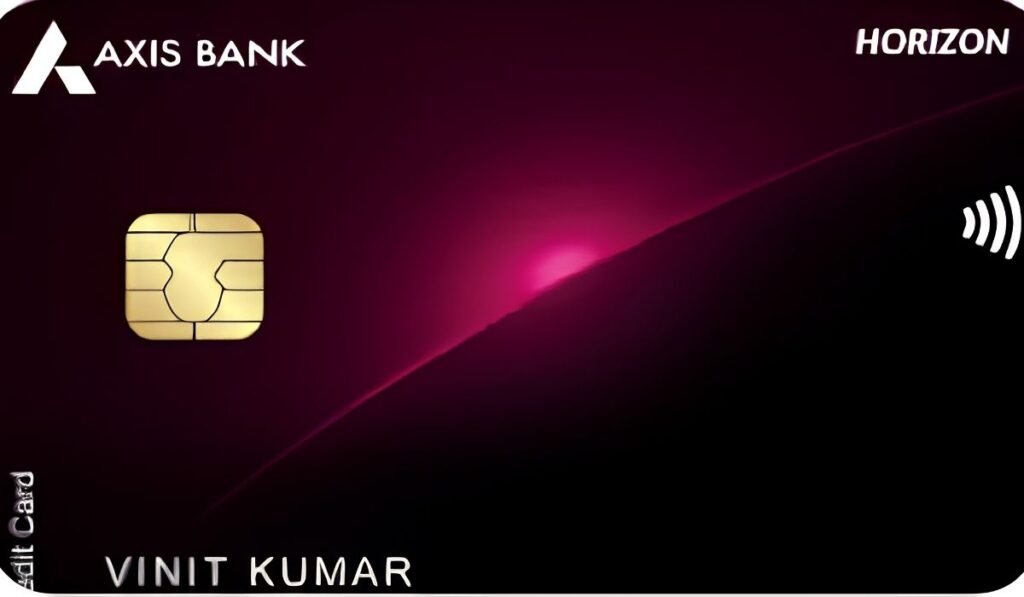
The card provides 5% value-back on travel bookings and a base rate of 2% across other spends in the form of EDGE Miles; however, the 5% rate is relevant only for transactions through the Travel EDGE platform as well as standalone airline platforms. Also, cardholders are eligible for unlimited access to domestic and international lounges (up to eight each quarter, depending on the variant). It’s a solid mid-range offering with an entry fee that is significantly less than the premium metal cards.
4. HDFC Diners Club Black Metal Credit Card

The card has an excellent reward of 3.33% on travel, unlimited lounge access, only a 2% markup on forex, and concierge services as well. Good for international travel, and also lifestyle perks like dining and entertainment benefits.
5. HSBC TravelOne Credit Card
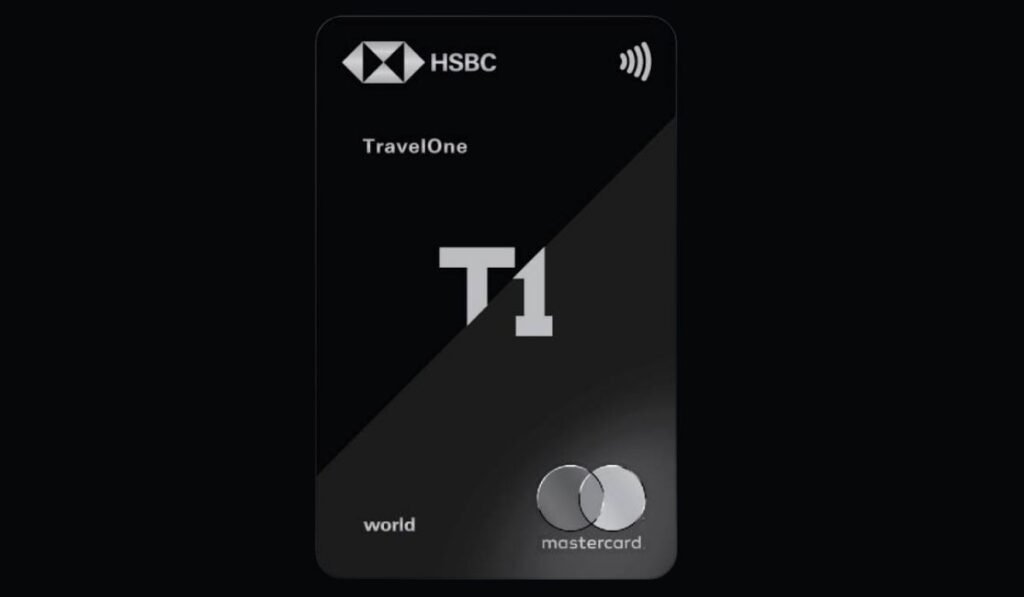
HSBC Travel One, with double points on travel spend, becomes a desirable card in 2026, especially when holding it to replace some recently devalued competing cards. It provides faster rewards and allows you to convert your points at a 1:1 conversion rate for Air Miles, giving travelers versatile redemption options.
6. ICICI Emeralde Private Metal Credit Card

An invitation-only, ultra-premium option. Designed for the high-end traveller, the card has a 2% forex markup (totaling 2.36% with GST) that equates to an effective reward of about 0.4–0.5% on overseas spends and comes along with a joining fee + annual fee of ₹12,499+ taxes for life. Most appropriate for high-net-worth individuals who are constant international travelers.
7. Emirates Skywards ICICI Bank Credit Card
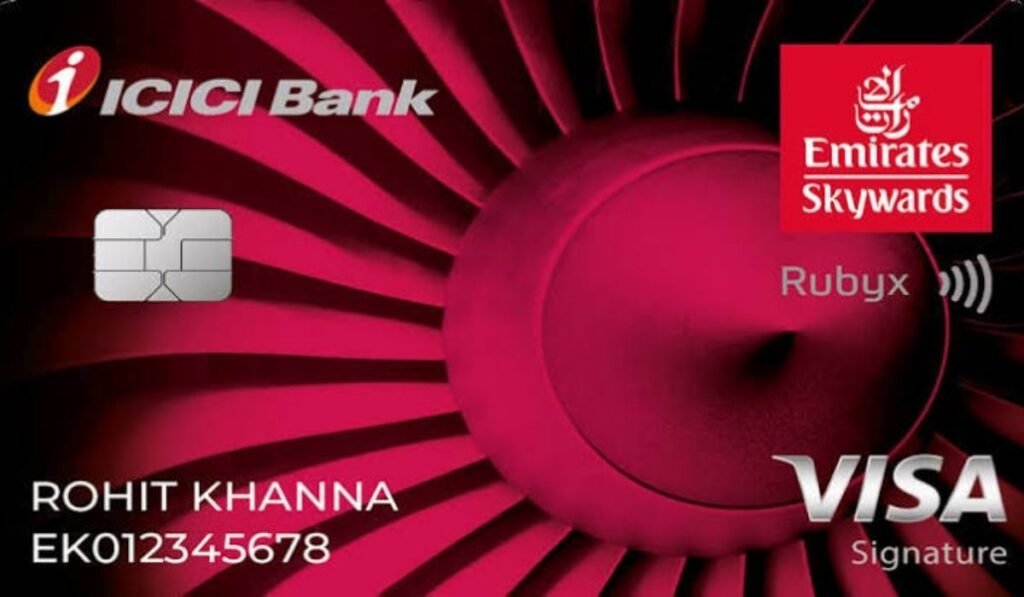
An excellent co-branded option for Emirates flyers. They get from 2 to 2.5 Skywards Miles per spend, used for flight bookings or upgrades, up to unlimited domestic and international lounge access free of charge, along with spa sessions at the airport at no cost.
8. IRCTC SBI Credit Card
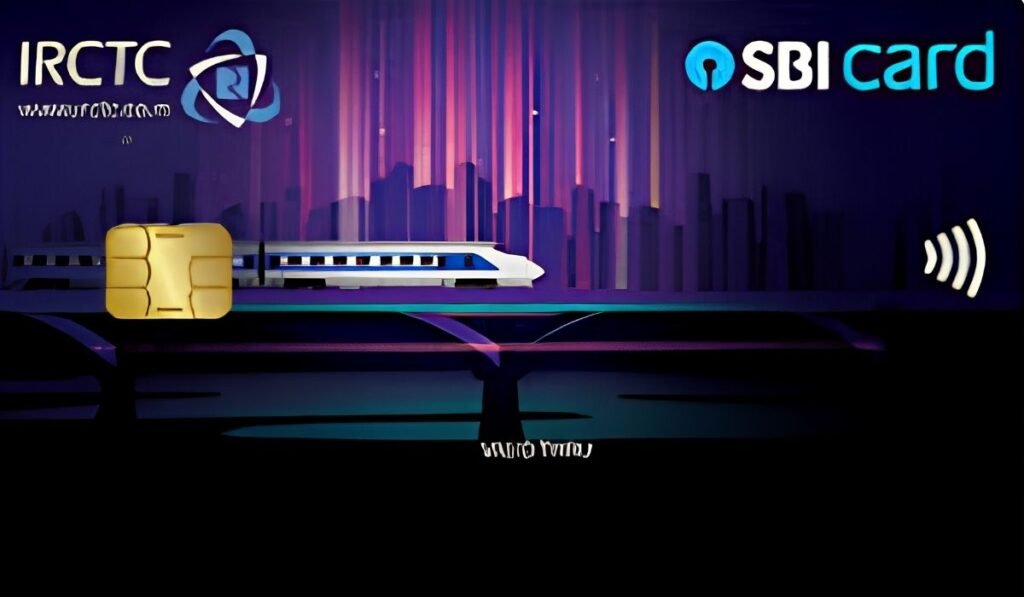
Not every traveller is an air passenger; a huge number of Indians travel by Rail. The card offers value back on booking tickets with IRCTC, domestic airport lounge access, and a discount on railway ticket bookings, while also providing 10% value back on AC and Chair Car ticket bookings through IRCTC. This is all just proof that the greatest travel credit cards aren’t always about flying.
9. Scapia Credit Card

Its 2% reward rate is relatively low; however, it also provides free airport lounge access and shopping benefits, which can be very helpful for domestic travellers. Time for something a little more simple → It’s an entry-level option for newcomers to travel cards
10. American Express Platinum Travel Credit Card

You get 4 domestic airport lounge access on the house annually, a complimentary Priority Pass membership, and some Taj hotel vouchers when you reach spending milestones. It’s often considered the best overall option for international travel alongside the HDFC Diners Club Black Metal Edition, as it comes with unlimited lounge access and tonnes of miles.
Comparison Table: Best Credit Cards for Travel at a Glance
| Card Name | Best For | Joining/Annual Fee | Key Travel Benefit |
| HDFC Infinia | Super-premium, unlimited lounge access | High-end fee tier | 1,000+ lounges worldwide, ₹3 crore travel insurance |
| Axis Atlas | Frequent flyers & hotel bookers | Mid-range | Flexible points-to-miles conversion |
| Axis Horizon | Mid-range travel rewards | ₹4,999 approx. | 5% value-back on Travel EDGE/airline spends |
| HDFC Diners Club Black | International travel + lifestyle | ₹10,000 joining | 3.33% rewards, 2% forex markup |
| HSBC TravelOne | Loyalty programme flexibility | Mid-to-premium | 1:1 points-to-miles conversion |
| ICICI Emerald Private Metal | Ultra-HNI travellers | ₹12,499 + taxes | Invitation-only luxury perks |
| Emirates Skywards ICICI | Emirates loyalists | ₹9,999 | Up to 2.5 Skywards Miles/spend |
| IRCTC SBI | Rail travellers | Low annual fee | 10% value back on IRCTC bookings |
| Scapia | Entry-level domestic travel | Low/no fee | Lounge access + shopping perks |
| Amex Platinum Travel | Milestone-based premium travel | Moderate | Priority Pass + Taj vouchers |
Read Also: Arun Jaitley Stadium Nearest Metro Station
Premium vs Entry-Level: Which Segment Fits You?
Nobody ever needed ultra-premium metal cards. Credit cards that belong to the entry-level segment are specifically pitched at those who are using credit cards for the first time, while cashback or quasi-travel cards like SBI Cashback or Scapia may also be ideal for beginners looking for an easy-to-use card that could provide some benefits, but without a very high annual fee. For the infrequent flyer, you may get more value through a cheaper card with more limited lounge access than a premium card whose perks go unused.
In contrast, cards such as the American Express Platinum Card and HDFC Diners Club Black Metal Edition are rated among the best international travel credit cards because they come with unlimited lounge access, luxury hotel perks, and generous miles, which make up for the higher fee if you travel internationally multiple times a year.
Co-Branded Travel Cards: A Smart Niche Option
For high spenders who always travel with a single airline or book through one travel portal, a co-branded card can bring superior rewards compared to general travel cards. A large number of issuers partner with airlines, IRCTC, or holiday booking portals like MakeMyTrip or Yatra to offer co-branded cards that can be used for spending to earn additional rewards. If you make a lot of purchases through one travel portal or only fly with a single airline, however, the best value may be in brand-specific reward perks (free tickets when you sign up, bonus points on certain purchases, discounts, etc.), so that’s where a co-branded card could be your best bet.
Eligibility Criteria for Travel Credit Cards in India
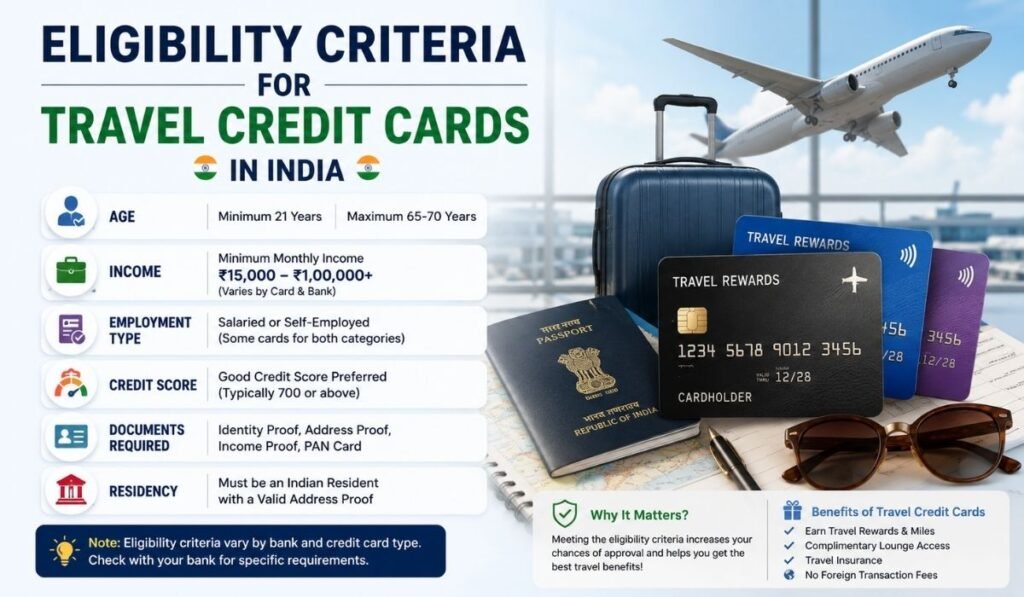
Most travel credit cards follow the standard norms for eligibility, such as minimum income, employment, and a healthy credit background, but good miles-based premium Credit Cards normally go with higher minimum income limits while keeping approval standards stricter. Your credit score is a good indicator of how likely you are to be approved for financing, with 700 or above being the threshold. Requirements: Applicants must be Indian citizens aged between 21 and 65 years, either salaried or self-employed, with the issuing bank also reviewing the applicant’s credit score before approval.
Tips to Maximize Value From Your Travel Credit Card
- Choose cards based on travel frequency: for high-frequency international travellers, low forex markup and unlimited lounge access are ideal, but otherwise, low-fee domestic travellers might be better served.
- Monitor milestone spends: several of the best traveling credit cards proffer free nights, coupons, or bonus miles when you complete exact annual spend goals.
- When possible, use partner platforms: book through the issuer’s individual travel portal (ex: Axis Travel EDGE) often = much greater rewards than booking elsewhere.
- Redeem points wisely: transferring points to airline or hotel loyalty programmes often provides more value than direct cashback redemption.
- Be aware of the forex markup: even a 1% difference in markup fee can add up to a whole lot during an international journey.
- Lounge access caps may be the ones that you should not ignore. At times, some cards come with caps on visits per quarter.
Read Also: Sadar Bazar Nearest Metro Station
Frequently Asked Questions: Best Credit Cards for Travel
Q1: What qualifies a card to be considered one of the best travel credit cards?
This ideal is created by being able to use the card with strong reward rates on travel spends, a high number of lounge access for lounges at airports, in addition to very low forex markup fees, how good the insurance is, and the flexibility of redemption options across multiple airlines/hotels.
Q2: Should I pay a big annual fee for premium travel credit cards?
Yes, if you travel frequently. But for those who travel frequently, the benefits and rewards that a travel credit card provides will far surpass any annual fee. If you fly once a year, a card with lower fees might be better.
Q3: How do I get the best credit cards for travel with a weak score?
So, yes, most issuers want you to have a credit score of 700 or higher and recent proof of stable income opportunities (especially for premium travel cards with high annual fees).
Q4: What is the best travel credit card for international travelers?
Cards such as the HDFC Diners Club Black Metal Edition and American Express Platinum Travel Card are often endorsed for international trips with unlimited lounge access, low forex markups, and a huge number of miles earned.
Q5: do apply travel-related BUSINESS credit cards for Self-Employed?
Yes. Self-employed applicants are still eligible for travel credit cards by way of providing business financials or tax returns as proof of income, but they will still require a decent credit score and strong overall financial profile to get approval.
Q6: Are co-branded travel cards more worthwhile than general travel cards?
Your travel habits would determine. Co-branded cards generally provide the best value if you are loyal to a single airline or booking platform, while those who travel across multiple airlines and hotels will benefit from a flexible general travel card (most of the time).
Q7: What is the biggest factor of travel credit cards?
Foreign transaction (forex) markup fees can creep away your spending money when traveling, without you really acknowledging it. Before deciding between international options among the best credit cards for travel, always check this rate.
Final Thoughts About the Best Credit Cards for Travel
No credit card is the one best for travel; they all are easily sufficient, depending on how often you fly, mostly domestic versus international travel, and how expensive the rewards annual fee is to get perks such as lounge access or air miles. Most regular international travellers will benefit the most from premium cards like HDFC Infinia or Diners Club Black, while occasional domestic travellers may do better with entry-level or co-branded options. Even among the best travel credit cards, suitability is individual; be sure to compare fees, reward rates and redemption flexibility before applying.